It’s that time of year again–we’re seeing 2025 come to a close and preparing to step into 2026. It’s a time to take stock, think about what we carry into the next year, and what we leave behind. And after 17 years of helping brands and businesses grow their online presence, I can tell you one thing has remained true and consistent (and it may not be what you expect): blogging still works.
While social media algorithms are constantly shifting and changing the rules, it’s helpful to remember that your website is the one digital asset you actually own. Blogging isn’t just content thrown into the void; it has the power to drive organic traffic, boost search rankings, and convert casual readers into loyal clients. Whether you’re marketing a scuba diving business, a consulting firm, or a neighborhood café, blogging for business in 2026 remains your most sustainable and viable path to growth.
And, if you’ve ever wondered whether blogging still matters in the AI era, this guide will answer all your questions as to why it’s still relevant, how to adapt your content to today’s algorithms, and what strategies will keep your business visible and profitable through 2026 and beyond.
Related guide: SEO for Small Business 2026: How to Build Visibility in the Age of AI
Why Blogging for Business in 2026 Still Matters
1. Blogging Drives Organic Traffic and SEO Performance
More goes into ranking high on Google search results now than ever before, but it’s not impossible. A consistent blog strategy helps you:
- Target long-tail keywords like “best dive center near me” or “how to start a business blog that converts.”
- Strengthen your site’s domain authority with quality backlinks.
- Keep visitors engaged longer through valuable, educational content.
- Help Google understand your services and expertise.
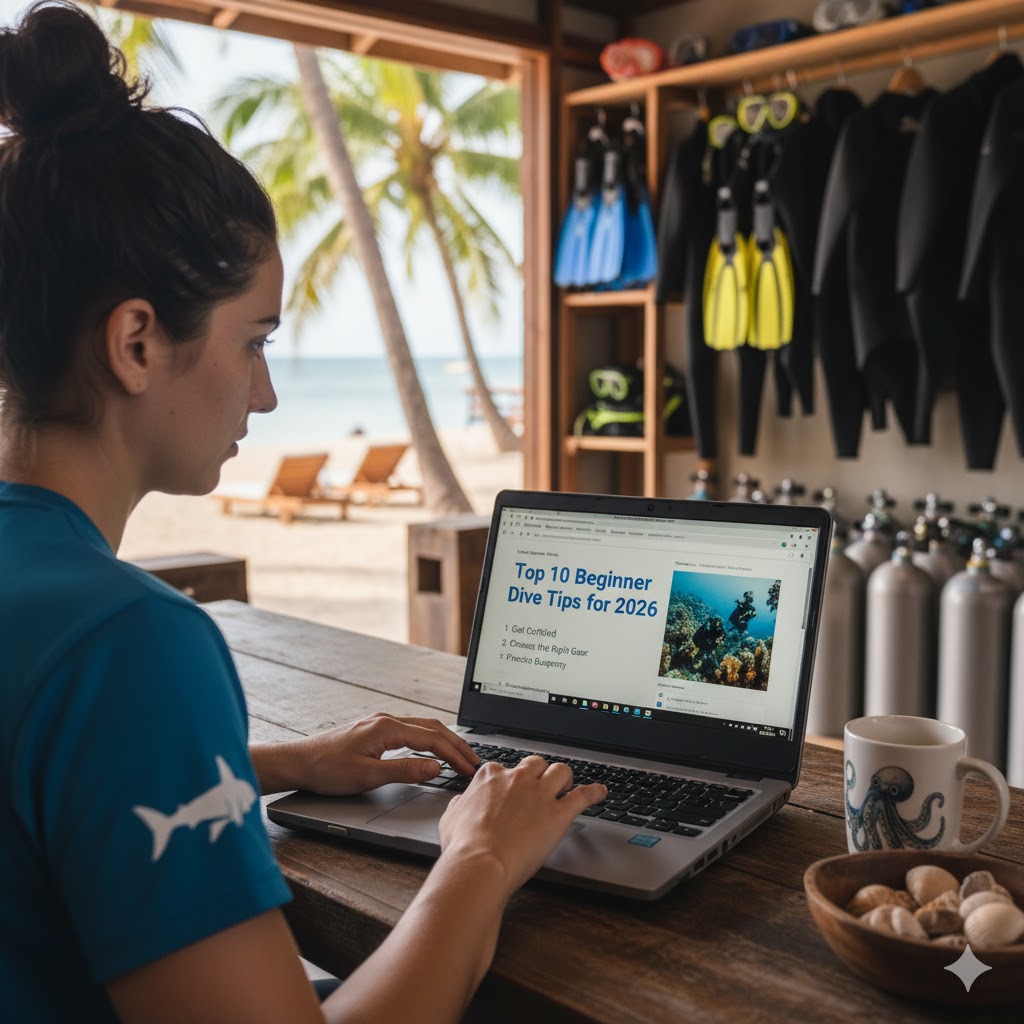
Example: A scuba diving instructor could write “Top 10 Beginner Dive Tips for 2026” to capture searchers looking for training advice. By optimizing the post with terms like scuba diving marketing, AI blogging strategy, and local business SEO, that single article can rank for multiple high-intent keywords and drive steady traffic all year.
Key Takeaway: Consistent blogging boosts your visibility in search, keeps customers engaged, and compounds long-term SEO growth.
2. Blogging Builds Trust and Authority
Today’s customers research before they buy, whether it’s a dive trip, a coaching package, or a new HVAC system. Blogging allows you to establish yourself as a trusted expert. Through blogging, you can:
- Share educational posts that answer common client questions.
- Publish tutorials, gear guides, or travel tips that connect to scuba diving marketing or service expertise.
- Highlight customer success stories or testimonials.
Example: A dive travel company could post “Planning Your First Dive Trip: Everything You Need to Know” and weave in secondary keywords to reach a wider audience. For instance, they might include terms like best scuba destinations 2026, women’s dive travel Cozumel, and scuba travel insurance guide to attract readers searching for practical, up-to-date dive advice. These additional keywords help connect the post to related interests—from destination planning to safety tips—while strengthening its visibility in search.
To learn more about Google’s content guidelines, explore Google Search Central’s Helpful Content Guide.
Key Takeaway: Expertise and transparency build trust, while optimized, well-structured blogs reinforce your authority and credibility.
3. Blogging Connects You With Your Audience
Small businesses and dive professionals share a secret advantage: authenticity. Blogging helps humanize your brand through content that:
- Shares behind-the-scenes stories from your business or team.
- Discuss the challenges your clients face and how you solve them.
- Encourages engagement by asking questions, using polls, or soliciting comments.
Example: At SocialNicole, we’ve seen that connection-driven content keeps readers returning month after month. Our clients, who publish authentic, educational content every week, see as much as a 200% growth in organic traffic within six months.
Key Takeaway: Personal, audience-focused storytelling turns casual readers into loyal followers who trust your brand voice.
4. Blogging Supports Your Sales Funnel
Blogging isn’t just for visibility; it drives sales and conversions. Each post moves readers closer to conversion while reinforcing your authority.
Example: We’ve seen our clients’ target audience move through the funnel by following these three key steps:
- Awareness: A post like “10 Scuba Destinations to Visit in 2026” attracts first-time readers.
- Consideration: That post may link to another post, such as “Why Private Dive Coaching Builds Confidence Faster,” which helps them compare solutions.
- Decision: Then they can arrive at an action step, like “How One Diver Overcame Fear and Became a Certified PADI Pro”, which seals the deal.
Key Takeaway: Align blog topics with your customer journey to turn search traffic into leads and leads into paying clients.
5. Blogging Fuels Your Entire Digital Strategy
A single blog post can power your entire marketing ecosystem. For example:
- HubSpot’s 2026 Blogging Statistics show that companies with active blogs generate 67% more leads per month.
- Deloitte’s 2026 Digital Marketing Trends Report highlights that human-centered storytelling continues to drive the highest ROI across industries.
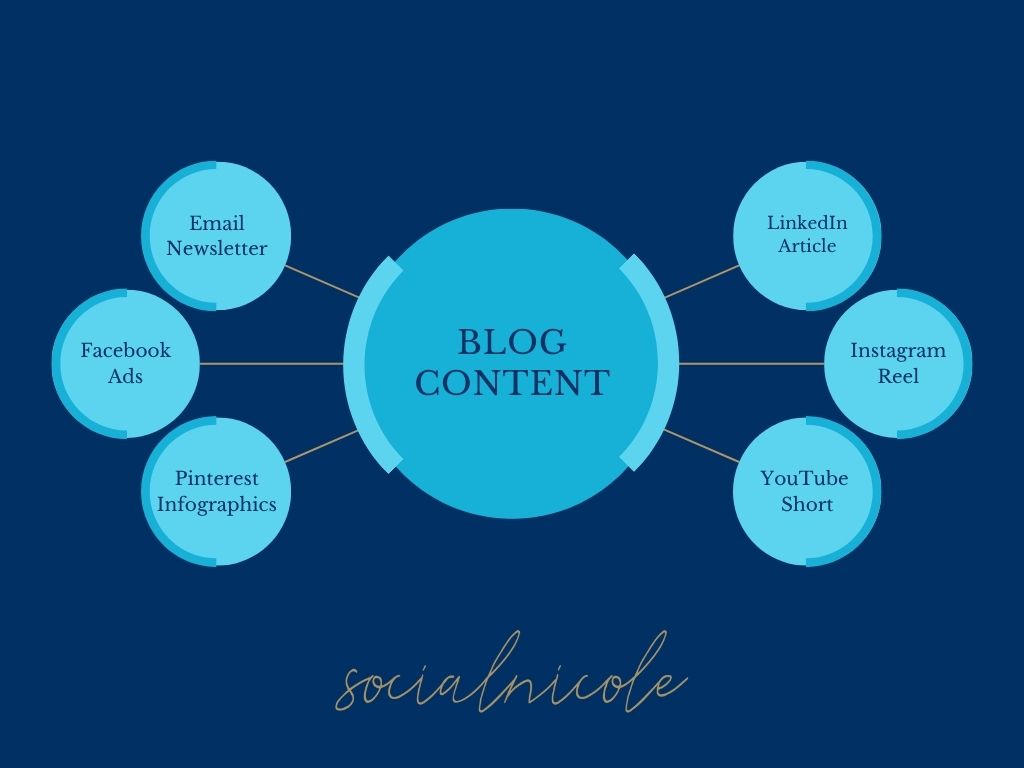
Example: The best part is that your content doesn’t have to stop at blogging. There are tons of ways to repurpose blog content and stretch it even further across multiple platforms. Some examples for further content include:
- A short LinkedIn post or Instagram carousel.
- Repurposed tips for an email newsletter or YouTube short.
- Visual snippets for Pinterest infographics or Facebook ads.
Next step: SEO for Small Business 2026: How to Build Visibility in the Age of AI
Key Takeaway: Your blog is the core of your content repurposing strategy for blogs. One quality post can fuel multiple platforms and campaigns.
How Blogging for Business in 2026 Has Changed
1. AI Content Is Everywhere, but Human-Centered Content Wins
AI can produce words, but humans produce trust. Especially because Google’s ranking systems now prioritize E-E-A-T: Experience, Expertise, Authoritativeness, and Trustworthiness.
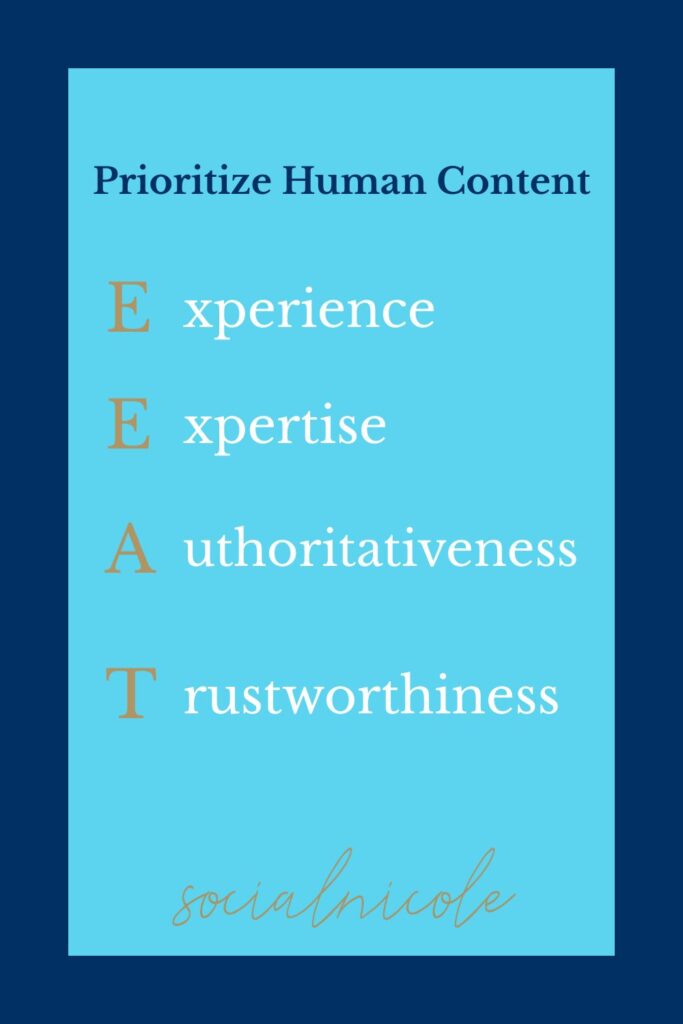
- Experience: Share real dive stories or client case studies.
- Expertise: Offer data-driven insights.
- Authoritativeness: Cite credible sources.
- Trustworthiness: Be transparent and personal.
Blogs that blend human expertise with innovative AI tools perform best in both AI vs human content comparisons and Google’s algorithm updates.
Key Takeaway: The future of blogging isn’t about automation; it’s about blending human experience with AI efficiency.
2. Google Prioritizes Search Intent and User Experience
To rank in 2026, your blog must satisfy search intent and provide an excellent user experience. Some of the ways to do this include:
- Delivering answers fast.
- Using H2s, lists, and visuals.
- Keeping your site fast and mobile-friendly.
For small businesses, this means optimizing for both desktop and mobile users to increase conversions and time on site.
Key Takeaway: Write for humans first, then optimize for algorithms. User satisfaction drives ranking longevity.
3. Multimedia and Interactive Content Matter More
Modern readers expect more than text from your blog. You need visuals and interactive elements to keep things interesting and engaging. To keep people on your blog page for longer, try:
- Adding videos or infographics that summarize key blog points.
- Creating visual tutorials for marketing or service processes.
- Including quizzes, calculators, or checklists.
Example: A small business could post “What’s Your Content Marketing Style?” with a short quiz. Interactive content like this improves engagement metrics that Google uses as ranking signals.
Key Takeaway: Multimedia strengthens engagement, which in turn improves your SEO performance.
4. Long-Form, In-Depth Content Performs Best
Google favors comprehensive, well-structured guides typically between 1,500 and 2,500 words. Focus on pillar content that educates and converts rather than short, surface-level posts.
Key Takeaway: In-depth, valuable content establishes you as an authority and earns long-term organic rankings.
Recap: How to Blog Successfully for Business in 2026
- Research your audience’s questions with tools like Semrush or Google’s People Also Ask.
- Build a consistent content calendar.
- Optimize every blog for an SEO strategy for small businesses.
- Include internal links and schema markup.
- Promote posts through social media and email.
- Measure results and adapt through analytics.
At SocialNicole, we’ve helped businesses develop content strategies that align SEO with authenticity. When done right, blogging becomes the foundation of a content strategy for the AI era.
Key Takeaway: Consistency and clarity are what separate blogs that perform from those that fade.
AI and Semantic Keyword Expansion: Optimizing for AI Search and Conversational Results
In 2026, Google and AI models evaluate content by context, not just keywords. To appear in AI overviews and conversational searches, use modern NLP phrasing.
- Content strategy for the AI era: “A strong content strategy for the AI era blends real human stories with data-driven optimization.”
- Google’s helpful content updates 2026: “Under Google’s helpful content updates 2026, valuable, first-hand insights matter more than volume.”
- Human-centered marketing in 2026: “Human-centered marketing in 2026 combines empathy, storytelling, and strategic AI tools to connect authentically.”
- AI vs human content: “AI vs human content isn’t a competition; it’s collaboration. AI optimizes speed, humans bring soul.”
Key Takeaway: Strategic use of semantic keywords positions your business for visibility in both search and AI-driven results.
FAQs About Blogging for Business in 2026
Yes. Blogging remains one of the strongest ways to grow visibility, whether you’re running a local business or building a specialized brand. It anchors your content strategy for the AI era and keeps your digital presence discoverable.
Consistency matters more than volume. One optimized, long-form post each week aligns with Google’s helpful content updates 2026, rewarding expertise and authentic insights.
Every business benefits from dive instructors and coaches to retail stores and agencies. The key is human-centered marketing in 2026, focusing on empathy, clarity, and genuine connection.
The shift isn’t AI vs human content but integration. AI assists with outlines and optimization, while your human expertise gives content heart and trust.
Absolutely. Blogs that include geographic and niche keywords improve visibility in local searches and Google Maps. Combine posts with an optimized Google Business Profile.
We recommend RankMath or Yoast for SEO, Notion or Trello for planning, and Semrush for keyword insights. Combine automation with human editing to preserve your authentic tone.
AI can help structure and refine ideas, but your lived experience should always shape the final post. Google continues to reward human-led, experience-rich content.
Most businesses see consistent organic growth within three to six months. Clients who post weekly see up to 200% more organic traffic and higher-quality leads.
Key Takeaway: Data shows that consistent, authentic blogging drives both visibility and conversions across industries.
Start Blogging and Grow Your Business in 2026
Blogging for business in 2026 is the foundation of digital visibility, trust, and long-term growth. From scuba diving marketing to SEO strategy for small businesses, blogging lets you own your narrative and reach your ideal audience.
At SocialNicole, we believe in human-centered marketing in 2026, where authenticity meets strategy. We help businesses develop a content strategy for the AI era that aligns with Google’s 2026 helpful content updates and combines the best of AI and human content for measurable growth.
📩 Contact us today to create your 2026 blog strategy, whether you’re a service provider, coach, or small business ready to rise above the digital noise.